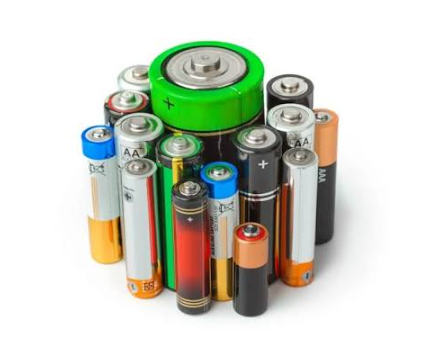
Batteries are an essential part of modern life. They power remote controls, clocks, toys, flashlights, cameras, household accessories, and many other products that need portable energy. Although batteries may look simple, choosing the appropriate type can have a meaningful impact on device performance, convenience, storage, and replacement frequency.
For many everyday applications, users may consider a disposable battery because it is designed for single-use operation. These batteries can be convenient when a device is used occasionally or when quick replacement is more important than recharging. However, selecting the right option requires attention to size, voltage, chemistry, capacity, and the requirements of the device itself.
What Is a Single-Use Battery?
A single-use battery is designed to provide electrical energy until its available charge is depleted. Unlike rechargeable batteries, it is not intended to be repeatedly recharged through a standard charging cycle.
This type of battery is commonly found in household electronics and portable products. Consumers often choose it because installation is straightforward: remove the old cell, insert a compatible replacement, and continue using the device.
The term does not mean that every battery has the same performance. Single-use batteries are available in different chemistries and physical formats, each designed for particular applications.
Why Device Compatibility Matters
The first consideration when buying a replacement battery should be compatibility.
Every device has specific requirements concerning battery size and voltage. A battery that physically fits the compartment may still be unsuitable if its electrical characteristics do not match the manufacturer’s specifications.
Users should check the device manual, the label inside the battery compartment, or the original battery before purchasing replacements.
This simple step can prevent unnecessary purchases and reduce the risk of using an inappropriate power source.
Common Battery Chemistries
Single-use batteries are available in several chemical configurations. Alkaline and lithium technologies are among the familiar options used in portable electronics.
Alkaline batteries are commonly used for everyday household products because they are widely available and suitable for many general applications.
Lithium batteries can be useful for certain devices where factors such as energy density, weight, storage life, or operating conditions are important.
The best choice depends on the individual device rather than a universal preference for one chemistry.
Considering Your Device’s Power Demand
Different products consume energy at different rates. A wall clock, for example, may require considerably less power than a camera flash or high-output flashlight.
For low-drain applications, a suitable general-purpose battery may provide adequate performance. Equipment with higher or more demanding power requirements may need a battery specifically designed for that type of use.
Understanding how the device is used can therefore make battery selection easier.
Consumers should also consider how frequently the product operates. A device that remains switched on for long periods may require a different battery strategy from one that is used for only a few minutes each week.
Shelf Life and Occasional Use
One useful characteristic to consider for infrequently used devices is storage life.
Some household products may remain unused for weeks or months before they are needed. In such cases, consumers may want batteries that are suitable for longer storage when kept under recommended conditions.
This can be relevant for emergency equipment, backup flashlights, seasonal decorations, or other devices that are not used continuously.
Before installing a stored battery, checking its expiration information and physical condition is a sensible precaution.
Advantages of Single-Use Batteries
One of the main practical benefits of single-use batteries is simplicity. There is no need to maintain a charging schedule or carry a charger for the device.
This can be particularly useful when traveling, during emergencies, or when a battery-powered product needs immediate replacement.
They can also be convenient for devices that use very little energy. If a product operates for a long time on one set of batteries, repeatedly charging cells may not provide enough practical benefit to justify changing the user’s routine.
When Rechargeable Batteries May Be Appropriate
Although single-use batteries can be convenient, rechargeable batteries may be useful for products that consume cells frequently.
For example, households with several battery-powered toys, controllers, flashlights, or frequently used electronic accessories may prefer a rechargeable setup.
The choice depends on the device’s compatibility and the user’s priorities. Purchase cost, charging convenience, operating frequency, and replacement requirements can all be considered.
It is important not to assume that rechargeable and single-use batteries are interchangeable in every product.
Proper Installation and Handling
Correct installation is essential. Battery compartments normally indicate the positive and negative terminals, and users should follow these markings carefully.
Mixing old and new batteries can affect performance, particularly in devices that use multiple cells. Similarly, combining different battery chemistries or brands without checking the manufacturer’s guidance may lead to inconsistent operation.
Batteries should also be kept away from children unless the device and battery design are appropriate for supervised use. Loose batteries should not be carried together with metal objects that could bridge their terminals.
Storing Replacement Batteries
Storage conditions can influence battery condition. Batteries should generally be kept in a cool, dry location and protected from excessive heat and moisture.
Keeping batteries in their original packaging can help protect them from accidental contact with conductive objects.
If a battery shows signs of leakage, corrosion, swelling, or other damage, it should not be installed in a device. Users should follow local guidance for handling and disposal of damaged cells.
Choosing Batteries for Different Situations
There is no single battery type that is ideal for every product. Instead, the selection should begin with the manufacturer’s requirements.
For a frequently used household device, consumers may compare operating life and replacement convenience. For emergency equipment, shelf life and storage conditions may receive greater attention. For portable electronics, size, weight, and power requirements may be more important.
Looking at these factors together helps users make a more informed decision.
Exploring Suitable Battery Options
A reliable battery selection process starts with understanding the available formats and chemistries. Comparing product specifications can help consumers identify an option that matches their equipment.
GP Batteries provides different single-use battery technologies for a variety of applications. Users researching products for household and portable devices can explore the disposable battery range while considering factors such as battery size, chemistry, and intended use.
Responsible Disposal
Single-use batteries eventually reach the end of their service life and should be handled responsibly.
Instead of disposing of used batteries without checking local requirements, consumers should look for appropriate battery collection or recycling programs. Different locations have different waste-management systems, so local instructions should be followed.
Proper disposal can help reduce the environmental impact of battery waste and supports the responsible handling of materials contained within used cells.
Three Common Questions
1. Are single-use batteries rechargeable?
No. Standard single-use batteries are designed to be used once and should not be connected to a charger unless the manufacturer specifically identifies the product as rechargeable.
2. How do I know which battery my device needs?
Check the device manual, battery compartment, or manufacturer’s specifications. Confirm the correct size, voltage, and chemistry before purchasing a replacement.
3. Can I mix different batteries in one device?
It is generally best to avoid mixing old and new batteries or different types and chemistries. Following the device manufacturer’s recommendations helps support proper operation.
Conclusion
Single-use batteries remain a practical power solution for many everyday products. Their straightforward installation, wide availability, and convenience can make them useful for household electronics, portable equipment, and occasional-use devices.
The most important step is choosing a battery that matches the device’s specifications. By considering size, voltage, chemistry, power demand, storage conditions, and disposal requirements, consumers can select and use batteries more responsibly while maintaining dependable device performance.
